Edge AI Pioneer Altair Semiconductor Secures $100M Series A Led by Maverick Silicon for 5G eRedCap Wearables
Spun out from Sony, Altair raises $100M to mass-produce ultra-low-power cellular IoT silicon integrating on-device neural processing units for next-generation smart wearables.
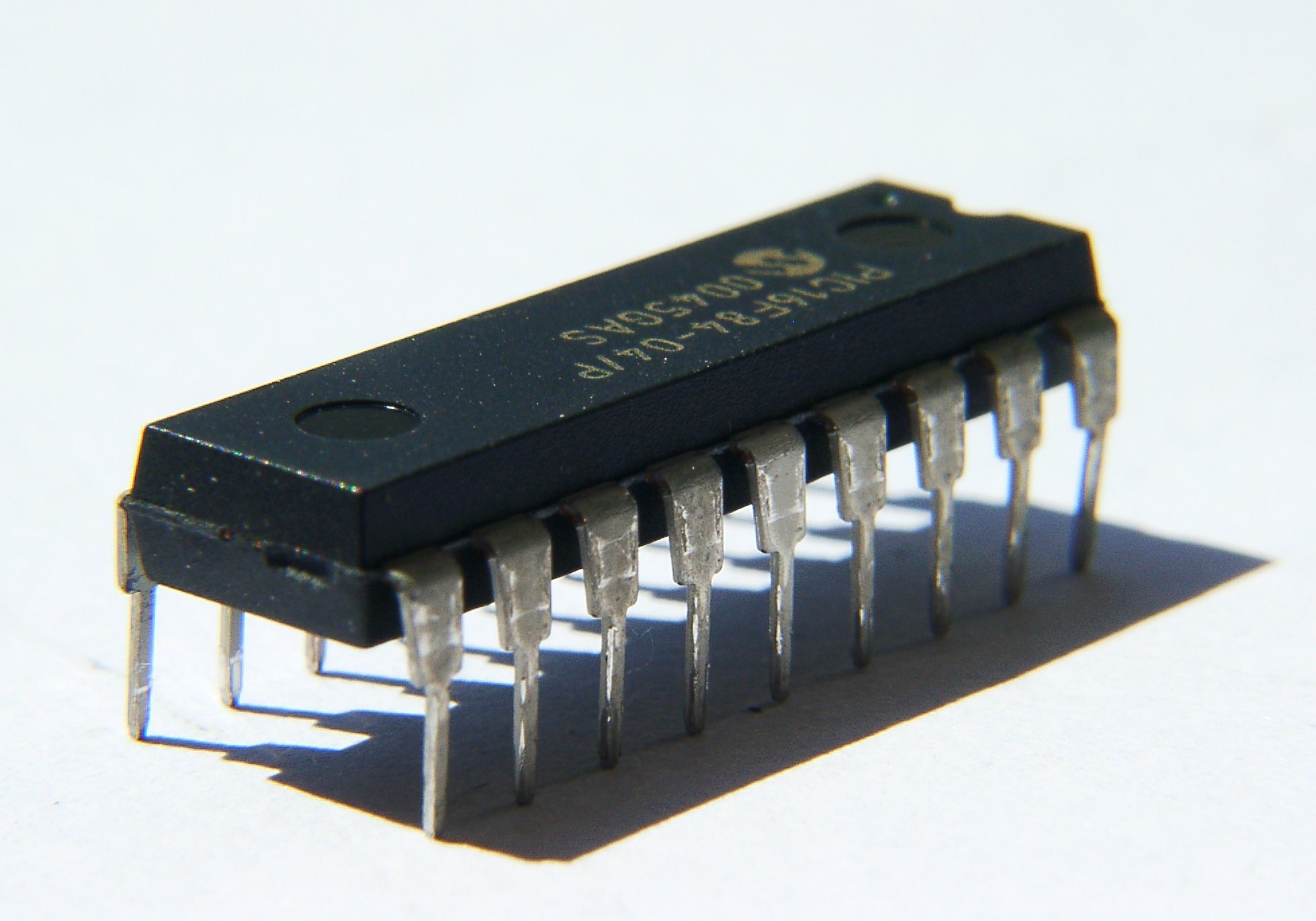
Key Findings & Architecture Notes
- •Altair Semiconductor, spun out from Sony, secured a $100 million Series A funding round led by Maverick Silicon to commercialize edge AI cellular IoT chips.
- •The capital will accelerate commercial production of 5G Reduced Capability (RedCap) and eRedCap chipsets integrating low-power neural processing units (NPUs).
- •The silicon architecture enables smartwatches, industrial sensors, and medical wearables to run localized audio, biometric, and computer vision models with multi-day battery life.
- •The round reflects venture capital's aggressive pivot toward physical edge AI and sovereign semiconductor manufacturing amidst tightening cloud export controls.
5G Cellular IoT Silicon Standards vs. Altair eRedCap Architecture
| Specification Parameter | Standard 5G eMBB Modem | Altair 5G eRedCap + Edge NPU |
|---|---|---|
| Power Consumption | High (Requires frequent daily charging) | Ultra-low (Multi-day to multi-week operational life) |
| Bandwidth & Complexity | 10 Gbps+ (Multi-antenna MIMO arrays) | 10-150 Mbps (Single-antenna compact footprint) |
| Edge AI Processing | Offloaded entirely to remote cloud APIs | On-device sub-milliwatt NPU for biometric & audio inferencing |
| Bill of Materials (BOM) | $50 - $120 per RF frontend module | <$15 integrated single-die SoC packaging |
Bridging 5G Cellular Connectivity and On-Device Intelligence
While cloud data centers absorb billions in capital expenditure to train trillion-parameter models, the physical edge represents the next vast frontier for applied AI. On November 28, 2026, Altair Semiconductor—the wireless cellular silicon pioneer spun out from Sony—announced the closure of a $100 million Series A funding round led by Maverick Silicon with participation from global strategic semiconductor syndicates.
The capital influx positions Altair to begin volume production of its next-generation 5G RedCap (Reduced Capability) and eRedCap chipsets, purpose-built to merge cellular connectivity with sub-milliwatt neural processing units (NPUs).
Unlocking Autonomous Wearables and Industrial IoT
Standard 5G modems engineered for smartphones demand significant power draw and bulky multi-antenna arrays, making them impractical for lightweight wearable electronics or distributed industrial telemetry. Altair's integrated SoC architecture bridges this divide:
- Sub-Milliwatt Neural Acceleration: Embedded NPUs allow smart wearables to process biometric continuous monitoring, fall detection, and voice activity models locally without transmitting raw sensor streams over the air.
- Extended Battery Longevity: By reducing network transmissions and optimizing radio sleep cycles, connected devices achieve multi-day battery runtimes on compact battery cells.
- Sovereign Hardware Footprint: Designed under secure hardware supply-chain protocols, the chipsets target mission-critical medical diagnostics, defense wearables, and smart grid automation.
The Venture Renaissance in Physical Hardware
Altair's $100M check underscores a decisive venture rebalancing. As generative software application layers experience margin pressure from foundation model API bills, institutional investors are seeking durable defensibility in proprietary silicon, physical actuation, and edge sensing architectures.
Anurag Dadhich
Editor-in-Chief & Lead Technology Architect • Global Editorial Bureau
Anurag Dadhich is the Editor-in-Chief and lead architect of Tech & Venture, covering enterprise AI agents, post-quantum cybersecurity, cloud infrastructure, and venture capital ecosystems across global technology hubs.