How to Build Your First Salesforce REST API Integration
Step-by-Step Guide to Connected Apps, OAuth 2.0 Client Credentials, and Custom Apex @RestResource Web Services.
By Elena Rostova • New York / Berlin Bureau
Nov 14, 2026• 13 min read

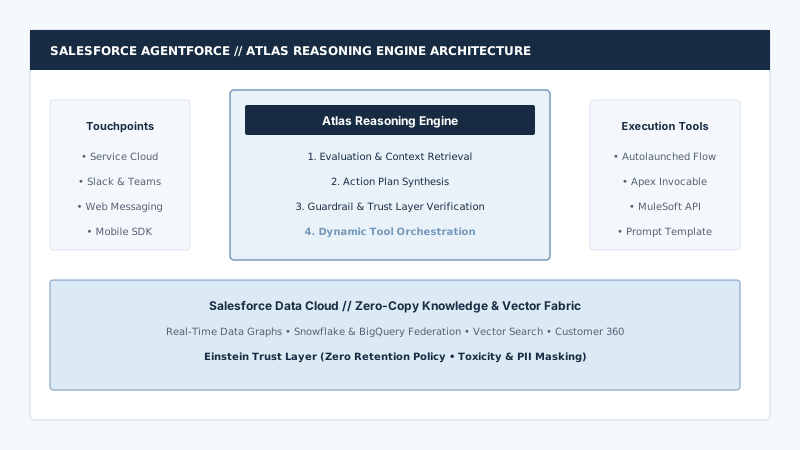
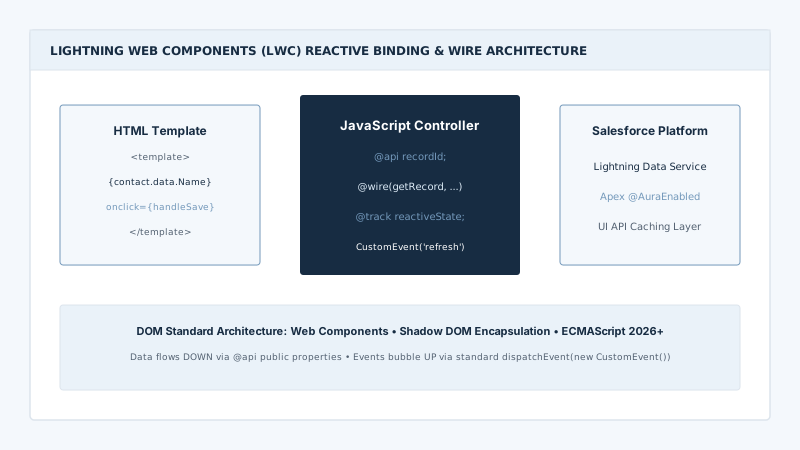
Figure 10: Connected App authentication and Apex REST endpoint execution.
Key Findings & Architecture Notes
- •Use Connected Apps with OAuth 2.0 Client Credentials or JWT Bearer flow for secure machine-to-machine integration without passwords.
- •Annotate Apex classes with @RestResource(urlMapping='/v1/orders/*') to expose custom enterprise HTTP microservices.
- •Support standard HTTP verbs: @HttpGet, @HttpPost, and @HttpPatch.
Custom Apex Web Services
Custom Apex REST resources allow developers to encapsulate complex multi-record transactions and business validation rules into a single atomic endpoint.
Subject Index
SalesforceREST APIIntegrationApexOAuth
About Elena Rostova
Lead Systems Engineer & AI Systems Researcher • New York / Berlin Bureau
Elena Rostova specializes in distributed microservices, web standards, and autonomous multi-agent AI architectures. She previously led frontend systems engineering at high-growth European tech ventures and writes on agentic workflow protocols.